Tinubu’s gas-flare policies drive Dutch firm’s multi-million-dollar Rivers energy project
Tinubu’s gas-flare policies drive Dutch firm’s multi-million-dollar Rivers energy project
Comment


The federal government’s efforts to end gas flaring and convert wasted gas into economic value are facilitating the implementation of a multi-million-dollar flare gas-to-energy project by a Dutch energy company in Rivers State.
The Chief Executive Officer of Energy Ventures B.V., Herbert Okibe, disclosed this when he led a delegation from the Netherlands, including the company’s Chief Financial Officer, Govert Rietema, and Chief Commercial Officer, Yvonne te Wierik-Chioke, on an inspection of the company’s project site at Agbada 2 in Rivers State.
Energy Ventures B.V. is the parent company of Africa Gas Technology Company Limited (AfricaGTC), established in Nigeria to develop the flare gas-to-power project. GeographicReference
The team also visited the headquarters of the Port Harcourt Electricity Distribution Company (PHEDC), where it held discussions with the company’s leadership on the proposed project and electricity distribution.
The Energy Ventures CEO commended President Bola Tinubu’s administration for putting measures in place to accelerate the elimination of gas flaring, citing the Petroleum Industry Act (PIA) and regulatory initiatives of the Nigerian Upstream Petroleum Regulatory Commission (NUPRC).
“Very important is the effort that has been made by Mr President to put rules in place to ensure that gas flaring is eliminated in Nigeria,” Okibe said. GeographicReference
He added that the NUPRC’s programme requiring oil and gas companies to eliminate routine gas flaring and commercialise the resource was helping to create opportunities for projects such as the Agbada initiative.
“There has been a lot of progress on the regulatory side,” he said, adding that the project had completed its Environmental Impact Assessment, which the Ministry of Environment approved.
Okibe said the project had recorded significant progress because of regulatory and financial support from the Federal Government and the Dutch Government, particularly policies aimed at eliminating gas flaring and turning the wasted resource into electricity and cooking gas.
According to him, the project is designed to harness about five million standard cubic feet of gas per day from flaring operations associated with Heirs Energy and convert it into electricity or liquefied petroleum gas (LPG) for consumers in the surrounding communities.
“What we are trying to do is to convert waste gas to sustainable energy for customers who have been underserved in these areas,” Okibe said.
He said the Agbada 2 project was expected to serve as a pilot for similar developments in Nigeria and other parts of the world, noting that Nigeria had more than 100 locations where significant volumes of gas were flared.
Okibe said the project was particularly significant because gas had been flared in the area for more than six decades, with serious environmental consequences.
He said, “This has been flared in this region for over 60 years. That is 60 years of polluting the environment and causing sickness and respiratory problems. What we are doing is a small step to correct that.
Okibe also disclosed that the project had secured regulatory approval from the Midstream and Downstream Gas Regulatory Agency and obtained the licence to establish the gas plant.
He said the company’s engagement with PHEDC had further advanced the project, with the distribution company giving the green light for the firm to engage the Nigerian Electricity Regulatory Commission (NERC) for the necessary permit.
“With our visit today to PHED, we have gotten the green light from the board to engage the Nigerian Electricity Regulatory Commission to get the permit to go ahead with the project,” he said. He, however, expressed optimism that government agencies, the Dutch Government and host communities would continue to support the project.
“We are not shying away from the challenges. The good news is that we are getting support not only from the government but also from the host communities,” he said.
On the investment, Okibe said the project would cost tens of millions of dollars and would be financed through a combination of private and government-backed funding, including support from the Dutch Government and Nigeria’s Midstream and Downstream Gas Infrastructure Fund.
He said construction activities had begun with fencing the project site, while full construction would start after obtaining the required construction permit.
Okibe acknowledged the regulatory, contractual and market challenges associated with developing such infrastructure, particularly in supplying electricity to communities that have historically lacked reliable power.
He said successfully completing the project would demonstrate the technical and economic viability of converting Nigeria’s gas-flaring waste into useful energy, potentially paving the way for similar projects across the country.
He, however, expressed optimism that government agencies, the Dutch Government and host communities would continue to support the project.
“We are not shying away from the challenges. The good news is that we are getting support not only from the government but also from the host communities,” he said.
He said successfully completing the project would demonstrate the technical and economic viability of converting Nigeria’s gas-flaring waste into useful energy, potentially paving the way for similar projects across the country.
“We believe that it is an essential step to begin to turn waste into real value for our people,” Okibe said.
Top 20 Hottest Songs!!!
-
-
 Tekno – Atlanta
-
 2Baba – Mental ft. Fave
-
 6uff – The Truth ft. Telz
-
 Ginton – No Nation (Ayakata) Ft. Odumodublvck, Fela Kuti & Sholz
-
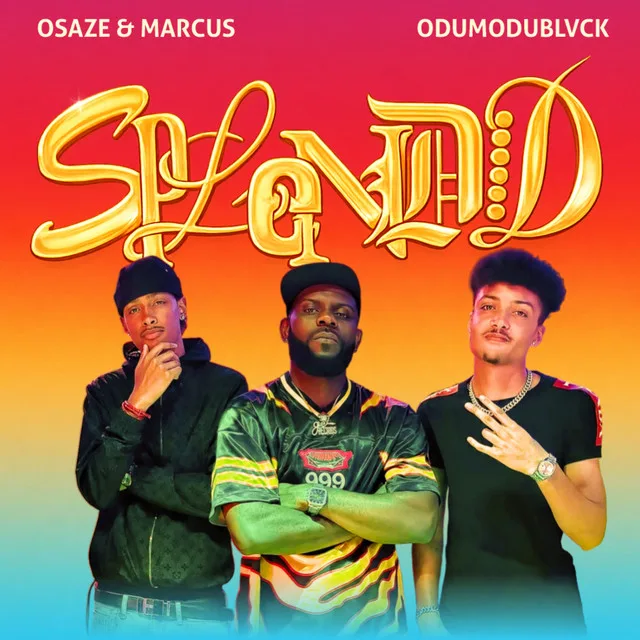 Osaze & Marcus – Splendid Ft. Odumodublvck
-
 Mr. P – I Love You Because
-
 FireBoy DML – Claat ft. Masicka
-
 Rema – Tea
-
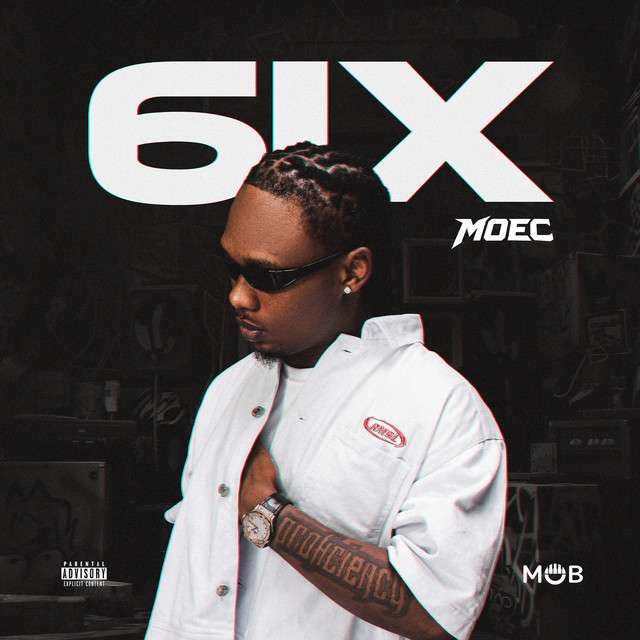 Moec – Brother OO ft. Evado
-
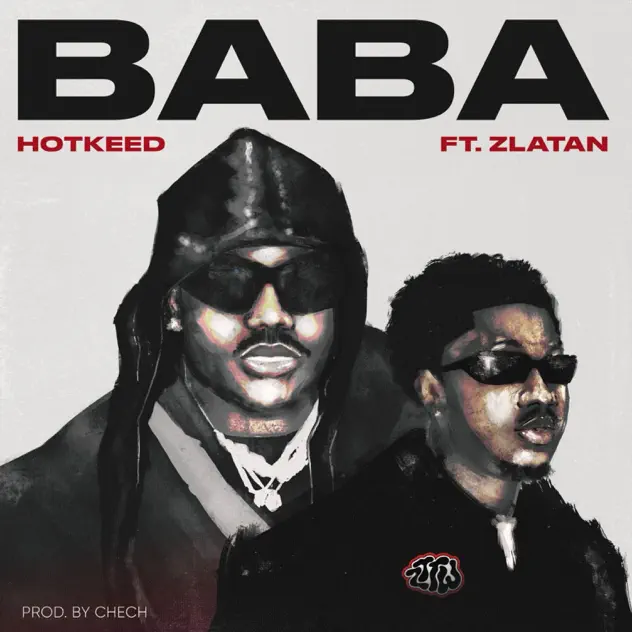 Hotkeed – Baba Ft. Zlatan
-
 BNXN – Eja Meja Ft. Asake
-
 Evado – By Now(Remix) ft. Bella Shmurda
-
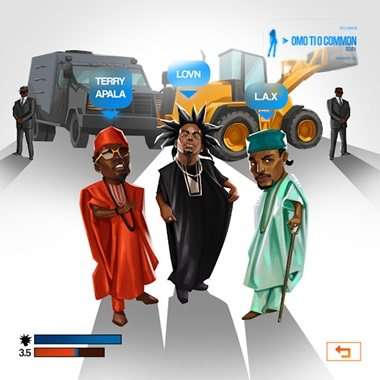 Lovn – OMO TI O COMMON II Ft. L.A.X & Terry Apala
-
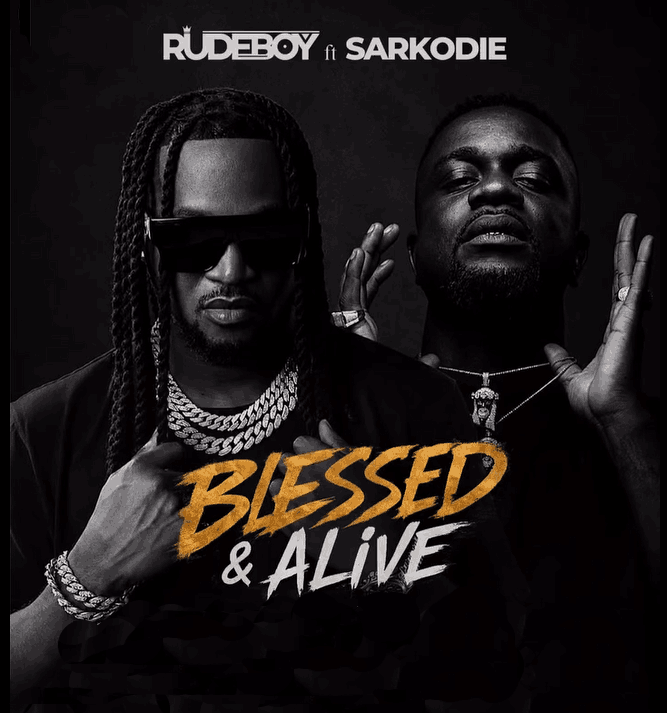 Rudeboy – Blessed & Alive Ft. Sarkodie
-
 Tyla – Light It Up Tonight Ft. Chris Brown
-
 Mavo – BB Lifestyle Ft. SSSoundGawd
-
 Davido – Gimme Dat Thing Ft NO11
-
 Ckay – E Clear
-
 Jonna Fraser – Turn It Up ft Tiwa Savage
Do you find Mavisplay useful? Click here to give us five stars rating!