Professor Onye Egwu – Mmuo Na Isi
Comment

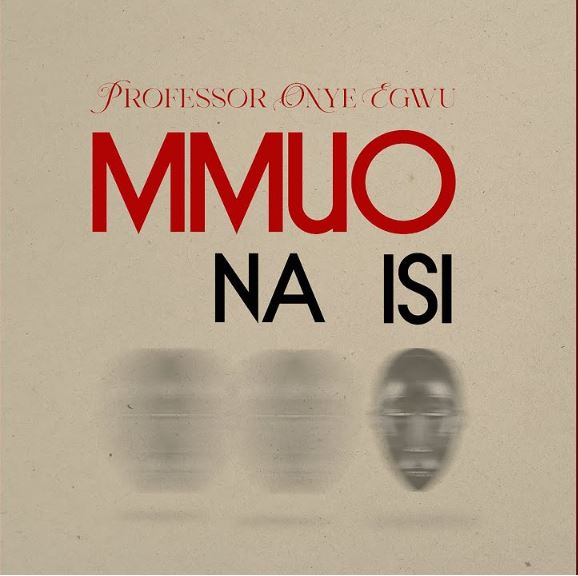
Distinguished Igbo traditional highlife gospel minister and cultural music custodian, Professor Onye Egwu, makes a powerful return with a spiritually weighty and thought-provoking composition tagged “Mmuo Na Isi.”
This track is a captivating blend of folkloric storytelling, ancestral rhythm, and gospel-centered reflection, crafted in a way that preserves Igbo musical heritage while communicating timeless spiritual truths. With his signature delivery, Professor Onye Egwu once again proves himself as a voice deeply rooted in both culture and spirituality.
Much like his past releases that weave together Igbo proverbial wisdom, highlife instrumentation, and conscious gospel undertones, “Mmuo Na Isi” pushes the boundaries of indigenous worship music. It stands as both a reflective sermon and a cultural archive, offering listeners not just entertainment, but also moral and spiritual awakening.
The title itself, “Mmuo Na Isi” (loosely meaning “The Spirit is the Head” or “The Spirit governs the head”), immediately sets the tone for what this track embodies—a theological meditation on the supremacy of the Spirit over human affairs. Professor Onye Egwu, known for his commanding vocal tone and layered lyrical imagery, uses this piece to remind listeners that no matter how intelligent, wealthy, or powerful a man may be, it is the Spirit of God that ultimately governs, directs, and sustains life.
The instrumentation opens with a steady rhythm section: soft percussive layers of ogene and udu, complemented by flowing guitar riffs, a walking bassline, and gentle brass inserts that announce the song’s depth. Unlike fast-paced celebratory highlife, this track leans toward mid-tempo meditative grooves, designed to give space for the message to breathe while still carrying enough rhythm to make the body sway.
This reflective opening prepares the listener for the journey ahead, positioning the song as both a prayer and a sermon.
In the first verse, Professor Onye Egwu sings about the limitations of human wisdom. He uses everyday imagery familiar to Igbo audiences—farmers tilling the land, traders striving in the market, kings sitting on their thrones—but concludes that without the Spirit, effort is vanity. He reinforces the age-old proverb “Onye kwe, chi ya ekwe” (When a man agrees, his personal god agrees), but flips it to emphasize that it is the Spirit of God that gives direction, not merely human will.
Delivered in a call-and-response pattern with backup singers, the chorus carries a hypnotic, chant-like quality. It is both easy to sing along and deeply spiritual, making it suitable for both live worship gatherings and personal reflection.
As the track progresses into the second verse, Professor Onye Egwu shifts into testimony-style narration. Here, he recounts scenarios of people who boast in their wealth, strength, or connections, only to be humbled when the Spirit does not sustain them. His vocal tone takes on the weight of a teacher warning his pupils, making the message resonate with authority.
Midway, the track rises into a praise interlude, with the tempo slightly elevated and percussion becoming more pronounced. The backup singers lead chants like “Onye na-edu anyị bụ mmụọ” (It is the Spirit who leads us), while the brass instruments fill the space with celebratory yet controlled bursts. This section feels like a mini praise-break, lifting the mood without losing the contemplative essence of the song.
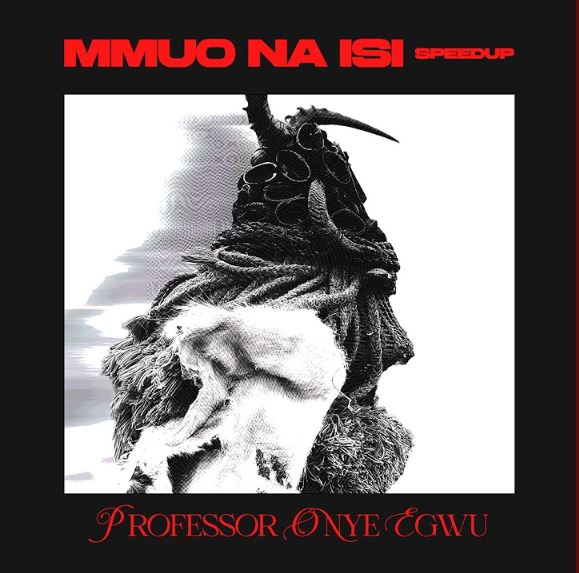
One of the most striking features of “Mmuo Na Isi” is its storytelling bridge. Here, Professor Onye Egwu shifts fully into spoken-singing, using parables and Igbo proverbs to emphasize his point. He likens life without the Spirit to a masquerade (mmuo) without a head—a body that dances without direction, eventually falling into shame. This metaphor is culturally rich and spiritually profound, leaving a lasting impression.
The closing section brings the song full circle, returning to the meditative groove of the intro. The instruments soften, and Professor Onye Egwu closes with a prayer-like chant, asking God’s Spirit to remain the head over his life and over the lives of all listeners.
In conclusion, “Mmuo Na Isi” by Professor Onye Egwu is more than just a song—it is a cultural sermon, a spiritual admonition, and a musical preservation of Igbo heritage. With its seamless blend of highlife rhythm, proverbial wisdom, and gospel-centered spirituality, the track stands as both a worship resource and a cultural treasure. Professor Onye Egwu demonstrates once again that music can teach, heal, preserve identity, and draw people closer to God. For those who appreciate the richness of African traditional gospel, this track is not just worth hearing—it is worth meditating upon.
Listen & Download “Mmuo Na Isi” by Professor Onye Egwu Below.
Top 20 Hottest Songs!!!
-
 6uff – The Truth ft. Telz
-
 Ginton – No Nation (Ayakata) Ft. Odumodublvck, Fela Kuti & Sholz
-
 Osaze & Marcus – Splendid Ft. Odumodublvck
-
 Mr. P – I Love You Because
-
 FireBoy DML – Claat ft. Masicka
-
 Rema – Tea
-
 Moec – Brother OO ft. Evado
-
 Hotkeed – Baba Ft. Zlatan
-
 BNXN – Eja Meja Ft. Asake
-
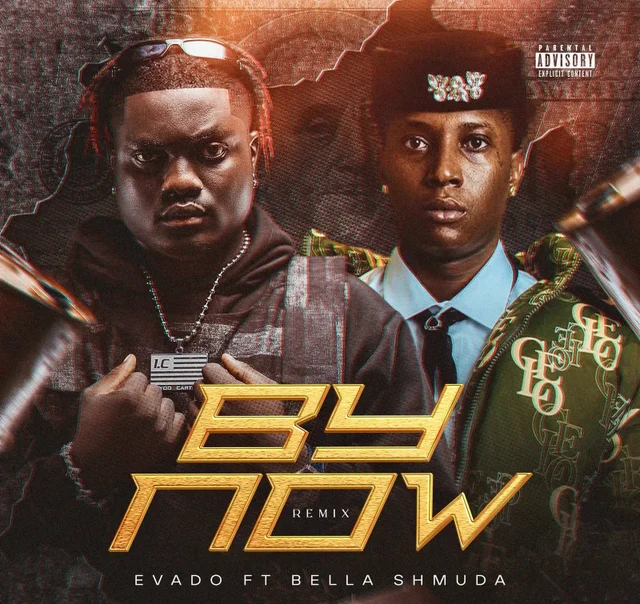 Evado – By Now(Remix) ft. Bella Shmurda
-
 Lovn – OMO TI O COMMON II Ft. L.A.X & Terry Apala
-
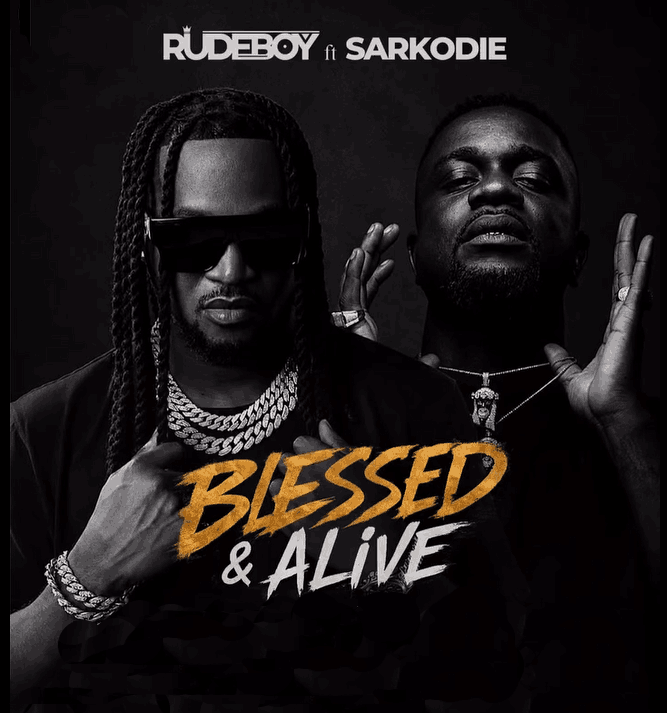 Rudeboy – Blessed & Alive Ft. Sarkodie
-
 Tyla – Light It Up Tonight Ft. Chris Brown
-
 Mavo – BB Lifestyle Ft. SSSoundGawd
-
 Davido – Gimme Dat Thing Ft NO11
-
 Ckay – E Clear
-
 Jonna Fraser – Turn It Up ft Tiwa Savage
-
 Sarkodie – Major League Ft. Kweku Smoke
-
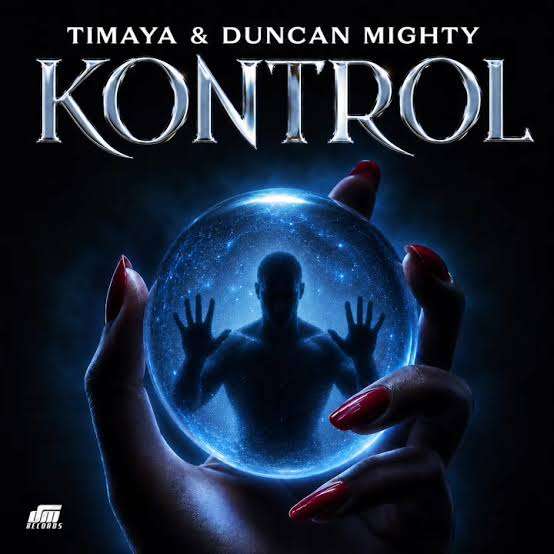 Timaya – Kontrol Ft. Duncan Mighty
-
 Fave – Miss You ft Chike
Do you find Mavisplay useful? Click here to give us five stars rating!