
Noul wins Benin government tender for AI malaria diagnostic platform
Noul wins Benin government tender for AI malaria diagnostic platform
Comment


Noul announced Monday that its AI-powered malaria diagnostic solution, miLab MAL, was officially adopted by Benin’s National Malaria Control Program (PNLP) after winning a public procurement tender from the country’s Ministry of Health.
The initial procurement covers 20 units for major referral hospitals treating large numbers of severe malaria patients.
The deal marks miLab MAL’s expansion from use at individual healthcare institutions into Benin’s national malaria control system.
The PNLP, or Programme National de Lutte contre le Paludisme, is a national program responsible for malaria prevention and control. In Benin, it operates under the Ministry of Health and serves as the central body overseeing nationwide efforts in malaria prevention, diagnosis and treatment, according to Noul.
A government-led clinical performance evaluation last year supported the decision to adopt the system.
In a 2025 clinical study involving 211 children suspected of having severe malaria at major university hospitals in northern and southern Benin, miLab MAL demonstrated a sensitivity of 98.82 percent and specificity of 100 percent compared with manual microscopy.
The system also shortened diagnostic turnaround time to less than 20 minutes, compared with an average of 75 minutes for conventional manual microscopy.
Based on the study, Benin’s PNLP classified miLab MAL as a point-of-care, or POC, device and recommended it for use in national malaria control programs in African countries, the company said.
“This achievement demonstrates that Noul’s AI diagnostic technology has established itself as a key solution for overcoming limitations in point-of-care diagnosis within national healthcare systems and has become part of the PNLP’s formal diagnostic framework,” Noul CEO Lim Chan-yang said.
“Building on the Beninese health authorities’ official recommendation for adoption and this public procurement contract, we will further accelerate the expansion of our supply not only across Africa but also into the global public health market,” Lim added.
Benin is one of the West African countries with a high malaria burden. According to the latest country profile from the World Health Organization, the entire population lives in areas where malaria is endemic, underscoring the need for improved diagnosis. In 2024, the country was estimated to have recorded about 5.1 million malaria cases and roughly 9,900 deaths.
Malaria is also a major cause of death among children in Benin. Conventional manual microscopy and rapid diagnostic tests, or RDTs, have limitations, including variability in operator expertise and the risk of misdiagnosis in patients with low levels of parasitemia.
Noul’s miLab MAL automates the malaria diagnostic process, from blood smear preparation to digital imaging and AI-based analysis. The platform is designed to enable rapid and standardized diagnosis even in settings with limited medical infrastructure and shortages of trained specialists.
With about 95 percent of the global malaria burden concentrated in Africa, Noul plans to continue expanding its presence globally by strengthening partnerships with local healthcare institutions and public health programs, particularly in regions with a high malaria burden.
Top 20 Hottest Songs!!!
-
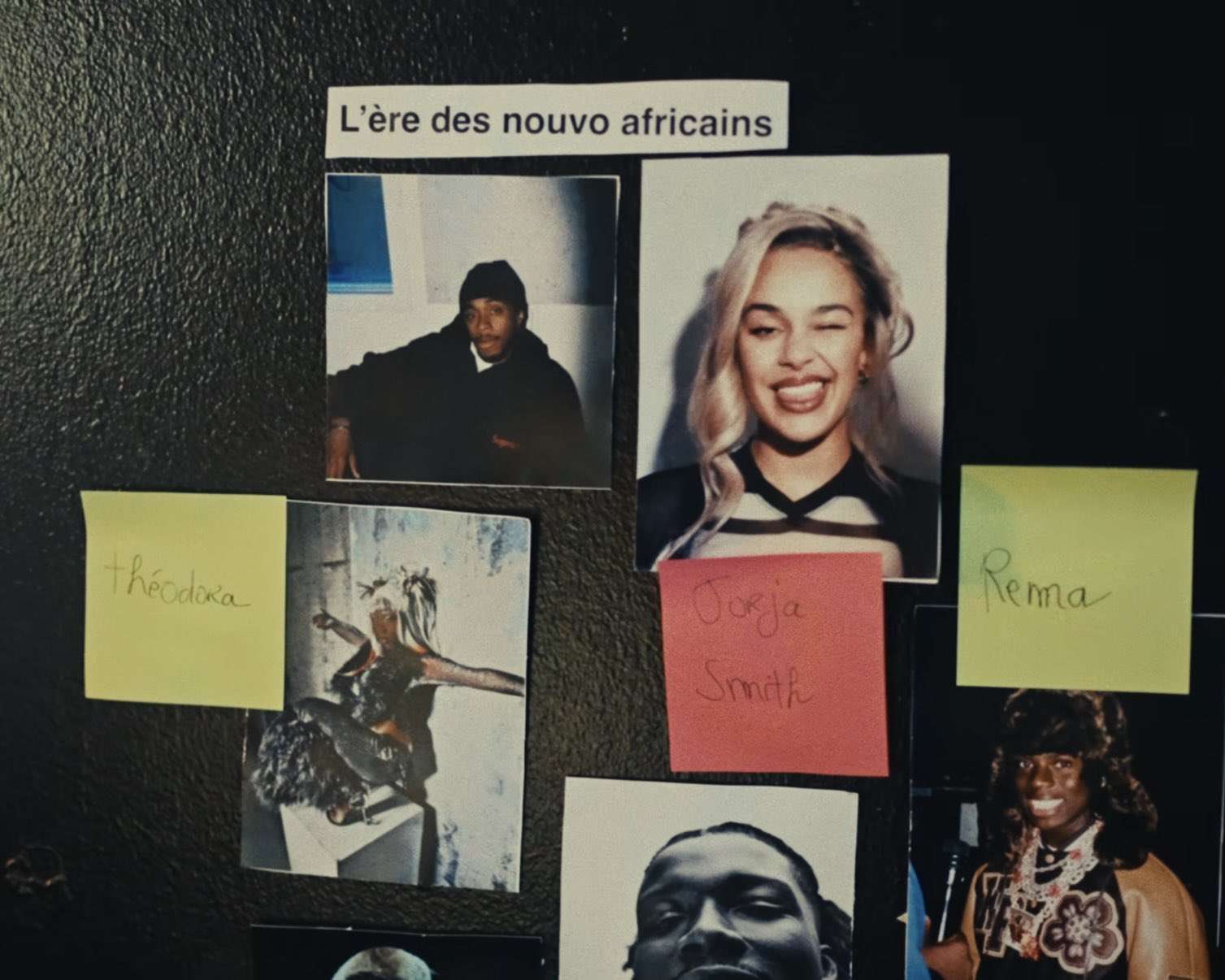 Tiakola – Best Ft. Rema
-
 Seyi Vibez – Ilome
-
 D’Banj – Safe Space
-
 Tekno – Atlanta
-
 2Baba – Mental ft. Fave
-
 6uff – The Truth ft. Telz
-
 Ginton – No Nation (Ayakata) Ft. Odumodublvck, Fela Kuti & Sholz
-
 Osaze & Marcus – Splendid Ft. Odumodublvck
-
 Mr. P – I Love You Because
-
 FireBoy DML – Claat ft. Masicka
-
 Rema – Tea
-
 Moec – Brother OO ft. Evado
-
 Hotkeed – Baba Ft. Zlatan
-
 BNXN – Eja Meja Ft. Asake
-
 Evado – By Now(Remix) ft. Bella Shmurda
-
 Lovn – OMO TI O COMMON II Ft. L.A.X & Terry Apala
-
 Rudeboy – Blessed & Alive Ft. Sarkodie
-
 Tyla – Light It Up Tonight Ft. Chris Brown
-
 Mavo – BB Lifestyle Ft. SSSoundGawd
-
 Davido – Gimme Dat Thing Ft NO11
Do you find Mavisplay useful? Click here to give us five stars rating!