Ojadiliigbo – Umu Igbo
Comment

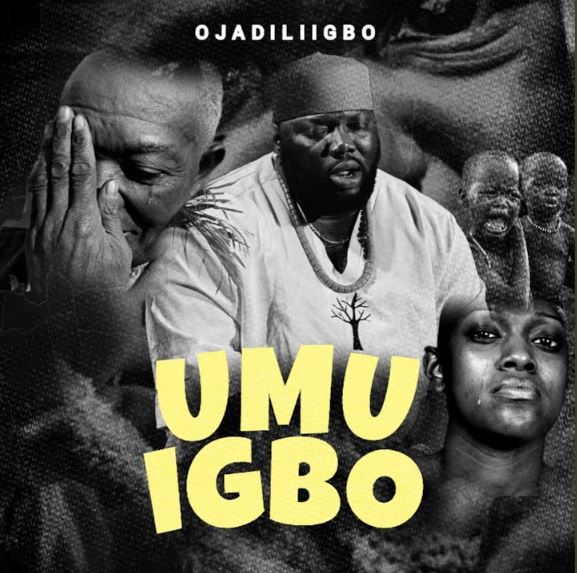
Respected indigenous highlife custodian and cultural music minister, Ojadiliigbo, graces the Nigerian traditional gospel and folk music space once again with an inspiring composition tagged “Umu Igbo.”
This new track is a cultural anthem that beautifully blends Igbo identity, folkloric storytelling, and divine acknowledgment, making it both a song of heritage and a spiritual reminder of collective belonging. With his commanding delivery and masterful use of proverbs, Ojadiliigbo solidifies his role as one of the leading voices preserving and promoting the rich essence of Igbo tradition through music.
At its core, “Umu Igbo” (meaning Children of Igbo or Igbo descendants) is a reflective yet celebratory piece designed to reaffirm the dignity, resilience, and spiritual consciousness of the Igbo people. Much like past cultural classics, Ojadiliigbo uses this song as a form of identity proclamation, reminding listeners of who they are, where they come from, and the God who sustains their lineage. The track successfully fuses traditional instrumentation, spiritual narrative, and cultural affirmation, making it resonate in village gatherings, family occasions, and church settings alike.
The instrumentation immediately draws listeners into the Igbo soundscape. The interplay of ogene (metal gong), ekwe (wooden slit drum), udu (clay pot drum), shakers, and guitar riffs lays down a hypnotic rhythm that is distinctly Igbo. Complementing these are steady basslines and occasional brass flourishes, which give the song a joyful and festive air while maintaining its spiritual undertone. Unlike mainstream Afrobeats or contemporary gospel, “Umu Igbo” takes its strength from indigenous tempo, mid-paced grooves, and chant-like choruses—all of which evoke the atmosphere of cultural unity and worship.
The intro begins with a call, almost like a village herald, where Ojadiliigbo sets the mood by invoking identity and acknowledging God as the giver of life. His voice is authoritative yet soothing, and the backup singers respond in unison, establishing the call-and-response structure that defines the song.
In the first verse, Ojadiliigbo emphasizes the strength, resilience, and unity of the Igbo people. He recalls historical struggles, perseverance in the face of adversity, and the industrious nature of the Igbo community. With lines that highlight farming, trading, craftsmanship, and migration, he portrays the Igbo spirit as hardworking, courageous, and divinely supported. Yet, he ties all achievements back to God, acknowledging that human effort without divine blessing cannot last.
This refrain is both a declaration and an anthem. It reasserts faith identity while embedding cultural pride, allowing Igbo listeners to embrace their roots with gratitude and reverence. The chant is memorable, making it easy for audiences to sing along, especially during communal gatherings.
In the second verse, Ojadiliigbo adopts a storytelling tone, using proverbs and imagery to drive his message home. He speaks of the blessings of God upon the Igbo land, the fertility of their soil, the wisdom in their traditions, and the spiritual depth of their people. He contrasts humility with pride, reminding listeners that true progress comes when a people walk in gratitude and submission to God’s Spirit. This section feels like both a history lesson and a sermon, packaged in song.
The bridge shifts the song into a deeply spiritual meditation. Here, Ojadiliigbo softens his tone, almost speaking rather than singing, as he acknowledges the challenges faced by the Igbo people—migration, displacement, and struggles. Yet, he reaffirms that God has never abandoned them. The instrumentation also shifts slightly here, reducing to light percussion and soft guitar, giving space for the weight of his words to sink in.
Soon after, the praise interlude lifts the tempo. Ojadiliigbo launches into naming and exaltation—calling God’s names in Igbo tradition (Chukwu Okike, Eze Ndi Eze, Onye na-enye ndu). The backup singers echo joyfully, and the percussion grows more intense, encouraging dance. This celebratory break reminds listeners that while identity is important, gratitude to God is the ultimate response.
The closing section ties together the themes of heritage, unity, and divine sustenance. Ojadiliigbo returns to the chorus, this time with heightened energy, encouraging listeners to sing it like an anthem. The track fades out with rhythmic drumming and repeated chants of “Umu Igbo,” leaving listeners with both pride and reflection.
In conclusion, “Umu Igbo” by Ojadiliigbo is more than a song—it is a cultural hymn and spiritual reminder. It affirms the dignity of the Igbo people, acknowledges God as their sustainer, and serves as a unifying anthem for both the older and younger generations. Through its rich instrumentation, proverbial storytelling, and communal call-and-response structure, the track stands as both entertainment and cultural preservation. Ojadiliigbo has once again demonstrated his ability to merge faith and culture, creating music that resonates across traditions while lifting hearts toward God.
Listen & Download “Umu Igbo” by Ojadiliigbo Below.
Top 20 Hottest Songs!!!
-
 Ginton – No Nation (Ayakata) Ft. Odumodublvck, Fela Kuti & Sholz
-
 Osaze & Marcus – Splendid Ft. Odumodublvck
-
 Mr. P – I Love You Because
-
 FireBoy DML – Claat ft. Masicka
-
 Rema – Tea
-
 Moec – Brother OO ft. Evado
-
 Hotkeed – Baba Ft. Zlatan
-
 BNXN – Eja Meja Ft. Asake
-
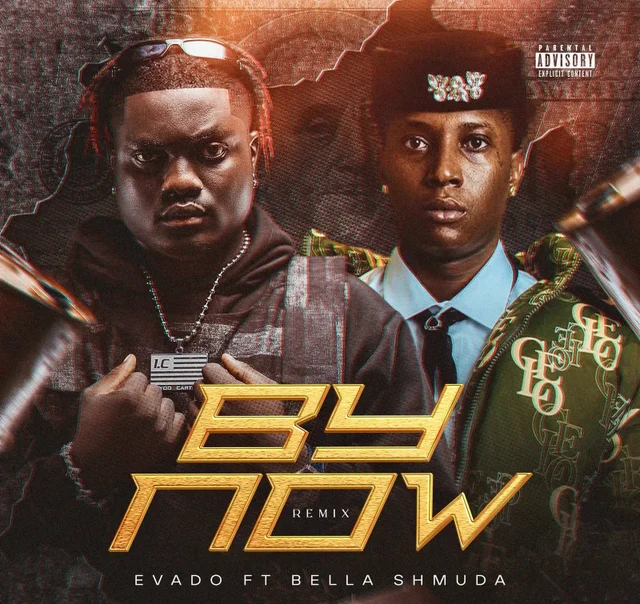 Evado – By Now(Remix) ft. Bella Shmurda
-
 Lovn – OMO TI O COMMON II Ft. L.A.X & Terry Apala
-
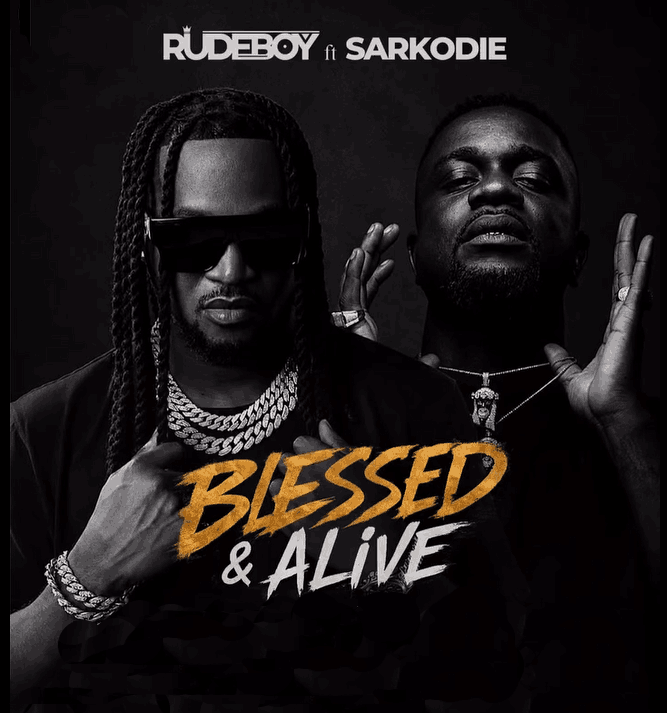 Rudeboy – Blessed & Alive Ft. Sarkodie
-
 Tyla – Light It Up Tonight Ft. Chris Brown
-
 Mavo – BB Lifestyle Ft. SSSoundGawd
-
 Davido – Gimme Dat Thing Ft NO11
-
 Ckay – E Clear
-
 Jonna Fraser – Turn It Up ft Tiwa Savage
-
 Sarkodie – Major League Ft. Kweku Smoke
-
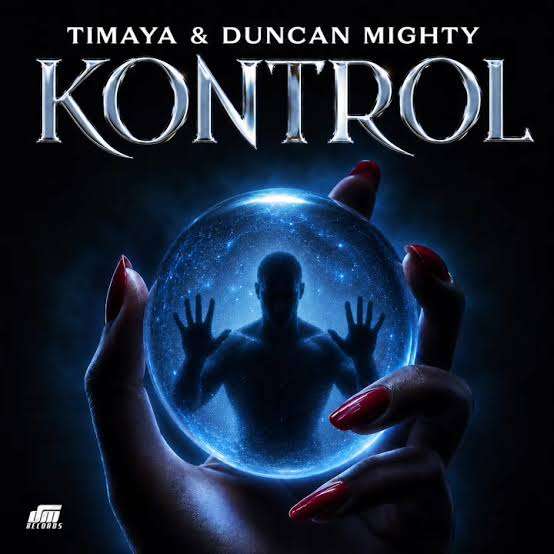 Timaya – Kontrol Ft. Duncan Mighty
-
 Fave – Miss You ft Chike
-
 Frenna – Coca Body ft Odeal, Wizkid
Do you find Mavisplay useful? Click here to give us five stars rating!